🌆 Indie Is Not A Genre, It's A Scene
Indie is not a genre.
Nor is indie synonymous with “low budget”, “self published” or “small team”. Each of these definitions have counter examples–I encourage you to come up with your own before expanding the spoilers.
Spoilers
- If Rockstar developed Balatro, it wouldn’t be an indie game.
- Amensia: The Dark Descent and Luck Be A Landlord evoke wholly different experiences, despite both being indie games.
- Journey is an indie game despite having a publisher.
- Cyberpunk 2077 is not an indie game despite being self published.
- If Amazon Game Studios put together a team of three people to make a mobile game, the result wouldn’t be indie.
- What Remains of Edith Finch is an indie game despite listing 131 professional roles in its credits.
- Slay the Spire‘s financial success doesn’t make Slay the Spire II any less indie.
Indie is not a genre, it’s a scene.
In fact, like any major art scene, the indie game scene is an amalgamation of smaller scenes.
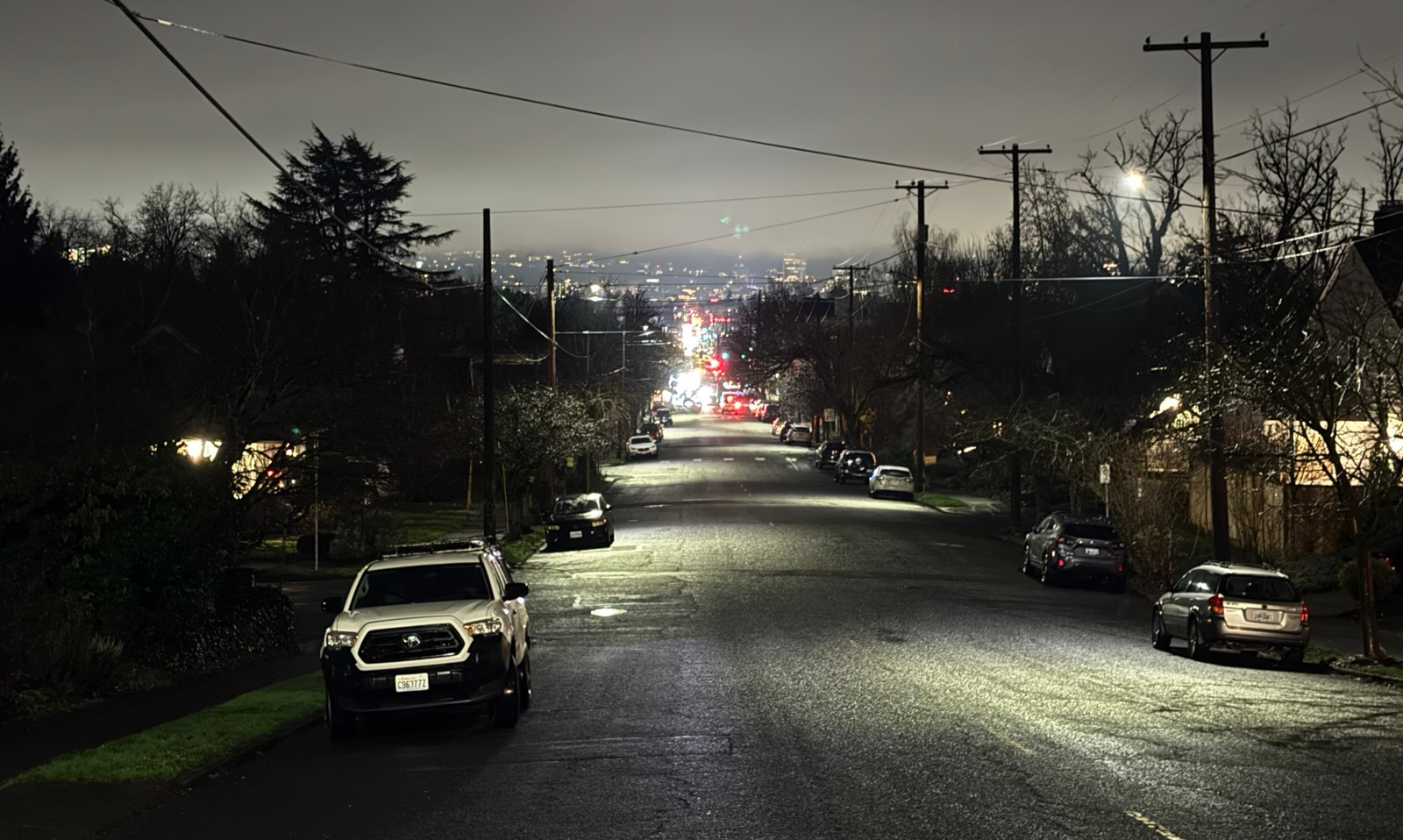
For example, I’m part of the Portland indie game scene. I regularly attend events hosted by groups like PIGSquad, and socialize with other people who make games and live in Portland.
I also have ties to the NYC and Bay Area indie scenes. I’m wearing a Death By Audio Arcade shirt as I type this. These affiliations affect how I create and think about games.
Some of my affiliations are social, some extend only insofar as games from these scenes have influenced my work.
I also have anti-affiliations; indie sub-scenes whose values clash with mine. These anti-affiliations inform my work too.
The indie scene at large is made of disparate groups spread out across the world, and across the internet. Each sub-scene has its own quirks, but share an ethos that make each identifiable as indie despite their differences.
When someone says that they’re an indie game developer, they’re saying that they’re a member of the indie scene. When someone says that a game is indie, they’re saying that the game is a product of the indie scene.